
Liver Transplant
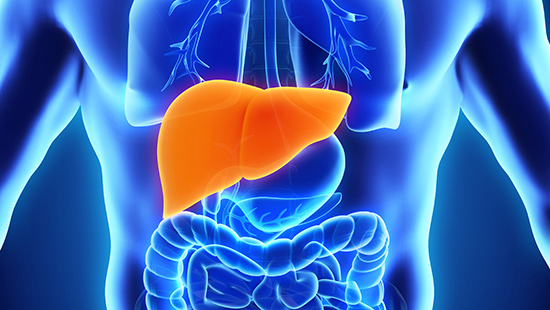
A liver transplant may be the only life-saving option if your liver fails and stops working, whether from injury or disease.
Your liver is the largest organ in your body. It helps you digest food, store energy and remove poisons. You can't live without a working liver.
Some liver conditions can be treated by medications or stopping alcohol use, losing weight or other lifestyle changes. Some require transplantation.
How You Can Help: Recipients with living donors get transplants faster and have better outcomes. Even if you cannot be the donor, you can play a valuable role by becoming a living donor transplant champion. Learn more about living donor champions.
Our program has completed more liver transplants than any other program in Maryland since 2010. Hepatologists (liver specialists) and transplant surgeons within the University of Maryland Liver Transplant Program collaborate with experts in our Liver Center and with community doctors to ensure you get the most advanced treatment and follow-up care.
Living Donor Liver Transplant
When time matters, a living donor liver transplant has many advantages over a deceased donor liver transplant. Not only do patients often experience better outcomes, but the wait time for a living donor liver is significantly shorter. A living donor transplant can also be scheduled, allowing the donor and the recipient to pick a time that works best for them.
Find out if you're eligible to donate.
Keeping You Safe During COVID-19
Our team takes every precaution to keep you and your loved ones safe during your transplant process. Some steps we're taking include:
- Scheduling telemedicine appointments instead of in-person whenever possible
- Maintaining a COVID-free floor for our transplant patients
- Testing all donors and recipients 48-72 hours prior to surgery, then quarantining until surgery
If you have any questions about our COVID-19 protocols, we encourage you to ask. You may also learn more about our approach to COVID-19 in this video.
Our Experts
You’ll receive care from an experienced multidisciplinary transplant team that includes:
- Surgeons specializing in liver transplant, and liver and bile duct surgery
- Hepatologists who manage your liver failure before transplant
- Gastroenterologists who diagnose and treat liver disease
- Oncologists and interventional radiologists who treat liver tumors before transplant
- Oncologists and interventional radiologists who treat liver tumors before transplant
- Nurse coordinators who are specialty trained in transplant care and are your contact throughout your entire transplant
- Transplant anesthesiologists who manage complex surgeries, minimize complications and reduce the need for blood transfusions
- Transplant immunologists who are nationally recognized physicians and researchers working to reduce the risk of organ rejection
- Social workers, pharmacists and nutritionists who guide you and your family in the care you need before and after transplant
Our experienced liver transplant specialists treat patients with all types of liver disease. We provide liver transplants to the sickest patients, including those thought untreatable elsewhere.
Who is a Candidate
You may need a liver transplant if you have a condition such as:
- Cirrhosis – Results from alcohol abuse, hepatitis C or medications
- Hepatitis C – Viral infection that damages the liver and can cause cirrhosis, liver failure and cancer
- Liver cancer – Among the most common types of cancer
- Liver disease – Can be cancer or result from viruses, chemical damage or is inherited
- Nonalcoholic fatty liver disease – Caused by excess fat in the liver
Rare conditions that may require liver transplant include acetaminophen overdose and liver blood vessel blockage.
Liver Transplant Evaluation
You or your doctor can schedule a liver transplant evaluation to determine if transplant is the best treatment option for you. Our liver transplant nurse coordinator will help you schedule all the necessary appointments. Usually, you will receive an evaluation appointment within 2 weeks.
At your appointment, you will meet with all members of your transplant team in a single day. This includes your transplant surgeon, hepatologist, social worker, nutritionist and transplant nurse coordinators. They will review your medical history, perform a thorough physical examination and complete lab work that day. They will also:
- Determine if you are strong enough for surgery
- Describe the transplant process
- Explain what happens after transplant, including the medications you will need to take
- Ask about your insurance, finances and who will help care for you after surgery
eVisits
Our eVisit program lets you consult with our transplant specialists from wherever you live in the U.S. Whether we meet in our office or remotely, we can complete your evaluation and answer any questions you may have about liver transplant.
You may include someone, such as a family member or friend, who can help you take notes and ask questions.
Waiting for a Transplant
After your evaluation, we will put you on the organ transplant waiting list. You will be ready to receive organ offers about 30 days from your initial evaluation. Your wait time depends on factors such as the seriousness of your condition, availability of matched donors, and the number of donors in your area compared to the number of people needing a transplant.
Why Choose UMMC
The benefits of liver transplantation at the University of Maryland Medical Center include:
- Good outcomes for the sickest patients – Our transplant results meet national standards for patients with the most severe liver diseases and transplant needs.
- Transplant for HIV-positive and hepatitis C-positive patients – We offer transplant for these patients.
- New approaches to cancer care – Our surgeons and radiologists shrink tumors before surgery, making transplant possible for more patients who have hepatocellular carcinoma (HCC) and bile duct cancer.
- Aggressive approach to alcoholic liver disease – Patients who have alcoholic liver disease, including cirrhosis and alcoholic hepatitis, receive transplants, including patients who were turned down at other transplant centers.
- Streamlined process for double-listing – We encourage patients on wait lists at other centers to double-list with UMMC. Our e-Visit program lets you complete your evaluation remotely.
- Bioengineered livers – Our researchers are building the next generation of liver transplantation, including genetically modified animal organs that can be used as a bridge to transplant or supportive therapy for people waiting for transplant.
Recovery
After your transplant, your nurse coordinator will help you and your caregivers to learn how to recognize signs of rejection and live a healthy lifestyle to protect your new liver.
- You will go home about 8 to 14 days after surgery.
- You will visit the transplant clinic for the first 3 months after your surgery for outpatient testing including blood work, testing for infection, organ rejection or recurrence of viral hepatitis.
- Each month for 3 through 6 months after your transplant, you will visit the transplant hepatology clinic at UMMC in Baltimore.
- After 6 months, you will visit once a year near the anniversary of your transplant.
- We will refer you back to your primary care physician or gastroenterologist for routine care, and will work with your doctor as needed.
- Your post-transplant nurse coordinator is always available to answer transplant-related questions.
Schedule a Liver Transplant Evaluation
To request a liver transplant evaluation, please call 410-328-3444 or request an eVisit.