
Nuclear Medicine Residency
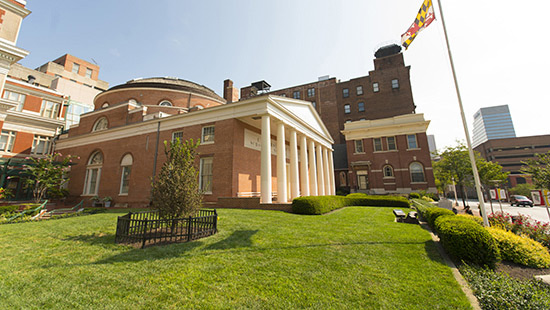
The Nuclear Medicine Residency Program at the University of Maryland Medical System was established in May 1999. The program has five ACGME - approved resident positions.
The principal objective of the program is to prepare residents for a career in nuclear medicine. On completion of the program, residents should have developed the highest level of clinical competency and skills needed to successfully provide nuclear medicine services. The residency program provides a broad understanding of general nuclear medicine, as well as advanced sub-specialties in nuclear oncology, nuclear cardiology, and molecular imaging.
For example, our nuclear cardiology program is a nationally recognized program led by Vasken Dilsizian, MD, director of the Division of Nuclear Medicine and a diplomat of the American Boards of Internal Medicine, Cardiovascular Medicine, and Nuclear Medicine. The division includes four full-time physician faculty and one physicist.
In addition to clinical nuclear medicine training, the program emphasizes academic activities and involvement in scientific research. Residents are encouraged to participate in the division's research projects that fit their interests and that contribute to achievement of their career goals. Our residents have been quite successful in academic productivity, with numerous abstracts accepted for presentations at major national scientific meetings, such as the Society of Nuclear Medicine and Radiological Society of North America (RSNA) scientific sessions.
Training is conducted at the University of Maryland Medical Center (site 1) and the Baltimore Veterans Administration Medical Center (site 2). The two hospitals are physically connected. The program has seven advanced SPECT cameras (four in site 1, three in site 2), three PET/CT scanners (two in site 1 and one in site 2), one PET/MR in site 1 and two radionuclide generators (99mTc and 82Rb, in site 1). The radiology department now includes a small animal imaging center, with SPECT and PET/CT capabilities, as well as other preclinical research modalities.
For More Information
Regarding any questions, please call the University Physicians Consultation and Referral Service at 1-800-492-5538 (patients) or 1-800-373-4111 (physicians).